
Eurasian Wigeon Mareca penelope
This species was formerly placed in the genus Anas.
.JPG)
.JPG)
.JPG)
.JPG)
Eurasian Wigeon, Welney (Norfolk, UK), 10th January 2015
.JPG)
.JPG)
.JPG)
Eurasian Wigeon, Titchwell (Norfolk, UK), 5th November 2011
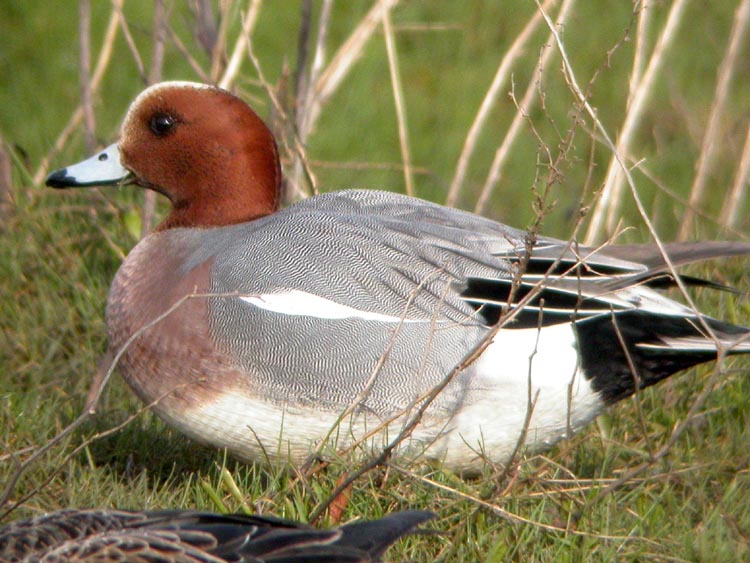
Eurasian Wigeon, Titchwell (Norfolk, UK), 22nd March 2004
 1.JPG)
 1.JPG)
 2.JPG)
 2.JPG)
Eurasian Wigeon, Titchwell (Norfolk, UK), 5th November 2011
Female Wigeon with white patches on the side of the head behind the eye are strangely often seen.
.jpg)
Eurasian Wigeon, Welney (Norfolk, UK), 4th February 2017
.JPG)
Eurasian Wigeon, Welney (Norfolk, UK), 10th January 2015
.JPG)
Eurasian Wigeon, Caerlaverock (Dumfries & Galloway, UK), 29th December 2005
The following bird returned to the same spot at Salthouse for several consecutive winters. Superficially it looks like a first-winter male, but with white behind the eye similar to the females shown above. But of course it can't be a first-winter for several years and the wing-coverts have clear white fringes, unlike the browner and less clear-cut fringes on first-winters. It must be an adult female, but it has male-like grey feathers coming through on the scapulars and flanks, and the head is more solid reddish brown than I would expect on a female. I think there's even a hint of the cream crown - just faint, but looking rather like it can on first-winter males where it's just beginning to come through. It is presumably an intersex female.
Closer inspection reveals some other features that don't seem quite normal on either male or female Eurasian Wigeon. The extent of dark barring on the breast is greater than I would expect, though this is normally variable on Eurasian Wigeon. There's also a bit of dark barring on the fore-flanks. Maybe these are features thrown up by intersex Wigeons? There is precedent for that happening with intersex ducks - intersex Northern Pintail can show dark barring on the flanks, unlike any normal plumage of Northern Pintail (eclipse male comes closest). And the white on the head? Is it too big a coincidence that one bird should show two different abnormal conditions (pigment issues as well as intersex)? Probably not - intersex birds seem to be more prevalent among birds already suffering from some kind of abnormality, e.g. in hybrids or selectively-bred mutants.
.JPG)
.JPG)
Eurasian Wigeon, Salthouse (Norfolk, UK), 1st December 2012
 (1).JPG)
 (2).JPG)
same Eurasian Wigeon, Salthouse (Norfolk, UK), 1st March 2013
 (1).JPG)
 (2).JPG)
 (3).JPG)
 (4).JPG)
same Eurasian Wigeon, Salthouse (Norfolk, UK), 22nd February 2014
 (2).JPG)
 (3).JPG)
 (4).JPG)
 (5).JPG)
same Eurasian Wigeon, Salthouse (Norfolk, UK), 23rd December 2015
 (1).jpg)
 (2).jpg)
 (3).jpg)
 (4).jpg)
 (5).jpg)
same Eurasian Wigeon, Salthouse (Norfolk, UK), 3rd December 2016
Here is another Eurasian Wigeon with white behind the eye - quite a lot in fact - more than any of the previous birds. Again this showed a mixture of male and female features, though was predominantly female. I think the clear-cut white-edged wing-coverts and late date for a predominantly female-like bird mean that it cannot be a first-winter male, so it would appear that it was another intersex bird.
 (1).JPG)
 (3).JPG)
 (4).JPG)
 (2).JPG)
Eurasian Wigeon, Burnham Norton (Norfolk, UK), 2nd April 2016
Here are two Eurasian Wigeon with white patches behind their eyes. Note that the bird with male-like plumage has dark speckling on the breast which is not usual for male Wigeon. Given that other male-like Wigeon with white behind their eyes have shown clear evidence of being intersex, I wonder if this might also be an advanced intersex female with male-like plumage (or, alternatively, perhaps this is an old males that has begun to adopt female-like plumage).
.JPG)
.JPG)
.JPG)
Eurasian Wigeon, Buckenham Marshes (Norfolk, UK), 25th January 2004
This abnormally pale individual (leucistic or similar pigment-deficient condition) stood out from the flock. The brown plumage was paler than normal but some of the wing feathers and scapulars were almost white.
, Holkham, 17-Jan-04 (A1).JPG)
, Holkham, 17-Jan-04 (A2).JPG)
Eurasian Wigeon, Holkham (Norfolk, UK), 17th January 2004
This abnormally pale individual (leucistic or similar pigment-deficient condition) was wearing an aviculturalist's ring. At the time, many captive wildfowl were regularly being released by (or for) a shooting syndicate not far away.
.JPG)
.JPG)
caprive-origin Eurasian Wigeon, Lowestoft (Suffolk, UK), 11th February 2012
Many Eurasian Wigeon show a small amount of green behind the eye, and my observations suggest that this can be more evident in strong sunshine, although on some birds it is evident even in dull conditions. Such birds are sometimes touted as being hybrids, but in fact this is very commonly seen within normal variation of pure Eurasian Wigeon.
.JPG)
Eurasian Wigeon, Cley (Norfolk, UK), 3rd February 2007
Occasionally birds show a more extensive green band behind the eye and these are especially likely to be reported as being hybrids with American Wigeon. As these birds show no other evidence of American Wigeon introgression it is assumed that they are not F1 (first generation) hybrids, but backcrossed with Eurasian Wigeon with the hybridisation event perhaps having taken place several generations back. However, I find this argument wholly unconvincing, not least because typical first-generation Eurasian Wigeon x American Wigeon hybrids do not show an extensive green band behind their eyes, so it seems highly improbable that this character would persist in backcrossed hybrids when it isn't typically present in the F1 hybrid. Rather, it is simply variation in pure Eurasian Wigeon. It may be a character that is inherited from a common ancestor of both Eurasian and American Wigeon that is expressed in only a minority of individuals.
.JPG)
.JPG)
.JPG)
.JPG)
Eurasian Wigeon, Pentney (Norfolk, UK), 31st March 2009
Here is another with a full green head band.
.JPG)
Eurasian Wigeon, Burnham Norton (Norfolk, UK), 10th March 2010
This was at the same site three days later. I don't think it was the same bird but I am not 100% sure.
.JPG)
.JPG)
.JPG)
.JPG)
.JPG)
.JPG)
Eurasian Wigeon, Burnham Norton (Norfolk, UK), 13th March 2010
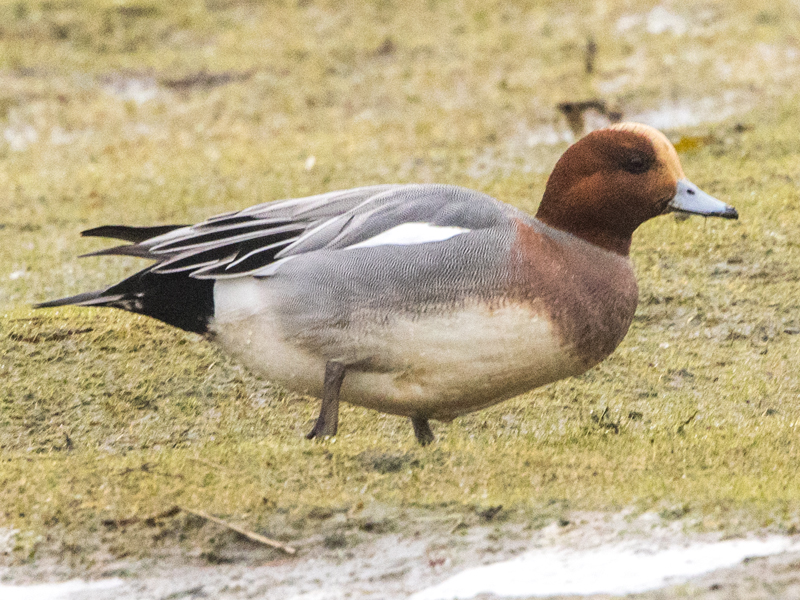
Eurasian Wigeon, Lossiemouth (Moray, UK), 10th February 2004
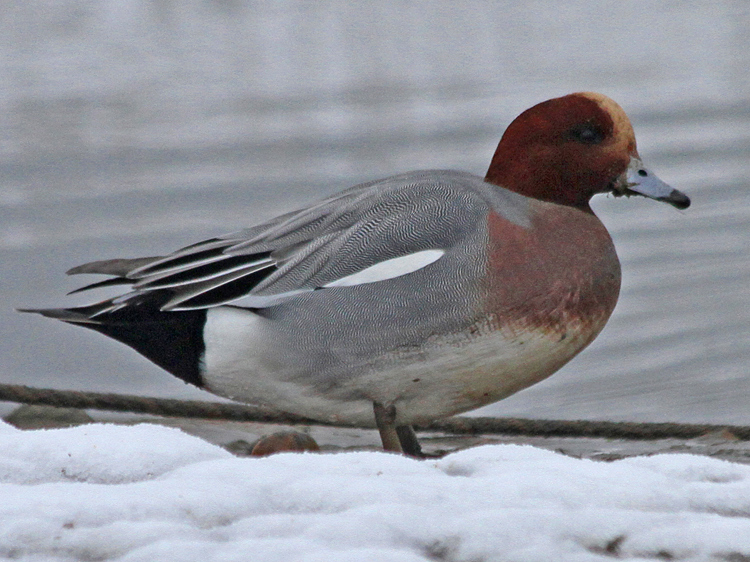
Eurasian Wigeon, Brancaster Staithe (Norfolk, UK), 21st January 2013
 1.JPG)
 2.JPG)
.JPG)
.JPG)
Eurasian Wigeon, Caerlaverock (Dumfries & Galloway, UK), 29th December 2011
.JPG)
.JPG)
.JPG)
.JPG)
Eurasian Wigeon, Cley (Norfolk, UK), 13th October 2007
.JPG)
.JPG)
Eurasian Wigeon, Horsey (Norfolk, UK), 17th December 2011
.JPG)
Eurasian Wigeon, Titchwell (Norfolk, UK), 27th February 2003
.jpg)
.jpg)
Eurasian Wigeon, Welney (Norfolk, UK), 4th February 2017
.JPG)
 1.JPG)
 2.JPG)
.JPG)
.JPG)
.JPG)
.JPG)
.JPG)
.JPG)
.JPG)
Eurasian Wigeon, Burnham Overy Staithe (Norfolk, UK), 27th October 2012
.jpg)
.jpg)
.jpg)
.jpg)
.jpg)
.jpg)
.jpg)
.jpg)
.jpg)
Eurasian Wigeon, Blakeney (Norfolk, UK), 21st February 2017
.JPG)
.JPG)
Eurasian Wigeon, Pentney (Norfolk, UK), 31st March 2009
.JPG)
.JPG)
.JPG)
.JPG)
.JPG)
.JPG)
.JPG)
.JPG)
.JPG)
.JPG)
.JPG)
.JPG)
.JPG)
.JPG)
.JPG)
.JPG)
.JPG)
.JPG)
Eurasian Wigeon, Buckenham Marshes (Norfolk, UK), 1st January 2010
.JPG)
.JPG)
.JPG)
Eurasian Wigeon, Burnham Overy (Norfolk, UK), 24th January 2015
.JPG)
.JPG)
.JPG)
.JPG)
.JPG)
.JPG)
.JPG)
.JPG)
.JPG)
.JPG)
Eurasian Wigeon, Buckenham Marshes (Norfolk, UK), 25th January 2004
.JPG)
.JPG)
.JPG)
.JPG)
.JPG)
.JPG)
Eurasian Wigeon, Cley (Norfolk, UK), 3rd February 2007
 (1).JPG)
 (2).JPG)
.JPG)
 (1).JPG)
 (2).JPG)
 (3).JPG)
 (4).JPG)
Eurasian Wigeon, Salthouse (Norfolk, UK), 23rd December 2015
.jpg)
.jpg)
.jpg)
.jpg)
.jpg)
.jpg)
.jpg)
 1.jpg)
 2.JPG)
.JPG)
Eurasian Wigeon, Cley (Norfolk, UK), 22nd December 2016
.JPG)
.JPG)
Eurasian Wigeon, Gypsy Lane, Brancaster (Norfolk, UK), 25th September 2012
.JPG)
.JPG)
Eurasian Wigeon, Hayle (Cornwall, UK), 19th October 2010
.JPG)
.JPG)
.JPG)
 1.JPG)
 2.JPG)
 3.JPG)
 4.JPG)
 1.JPG)
 2.JPG)
 3.JPG)
 4.JPG)
.JPG)
Eurasian Wigeon, Cley (Norfolk, UK), 6th October 2012
.JPG)
.JPG)
.JPG)
.JPG)
.JPG)
Eurasian Wigeon, Caerlaverock (Dumfries & Galloway, UK), 29th December 2005
.JPG)
Eurasian Wigeon, Brancaster Staithe (Norfolk, UK), 15th February 2006
.JPG)
.JPG)
Eurasian Wigeon, Brancaster Staithe (Norfolk, UK), 28th October 2008
.JPG)
Eurasian Wigeon, Caerlaverock (Dumfries & Galloway, UK), 30th December 2003
.JPG)
Eurasian Wigeon, Loch Ryan (Dumfries & Galloway, UK), 28th December 2005
.JPG)
.JPG)
Eurasian Wigeon, Tayport (Fife, UK), 27th December 2010
.JPG)
.JPG)
Eurasian Wigeon, Titchwell (Norfolk, UK), 15th March 2004
 1.jpg)
 2.jpg)
.jpg)
 1.jpg)
 2.jpg)
Eurasian Wigeon, Yarrow, North Elmham (Norfolk, UK), 22nd March 2021
.JPG)
.JPG)
.JPG)
.JPG)
.JPG)
.JPG)
.JPG)
.JPG)
.JPG)
.JPG)
.JPG)
.JPG)
.JPG)
.JPG)
.JPG)
.JPG)
.JPG)
.JPG)
.JPG)
.JPG)
.JPG)
.JPG)
.JPG)
.JPG)
.JPG)
.JPG)
.JPG)
.JPG)
.JPG)
.JPG)
.JPG)
Eurasian Wigeon, Snettisham (Norfolk, UK), 8th December 2012
.JPG)
Eurasian Wigeon, Salthouse (Norfolk, UK), 3rd February 2007
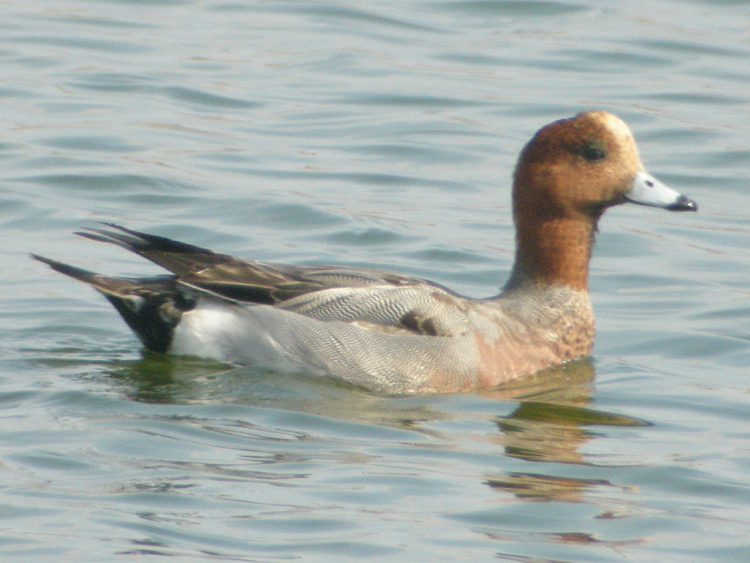
Eurasian Wigeon, Snettisham (Norfolk, UK), 31st March 2009
.JPG)
.JPG)
.JPG)
.JPG)
Eurasian Wigeon, Burnham Norton (Norfolk, UK), 13th March 2010
.jpg)
.jpg)
Eurasian Wigeon, Bintry Mill (Norfolk, UK), 6th March 2022
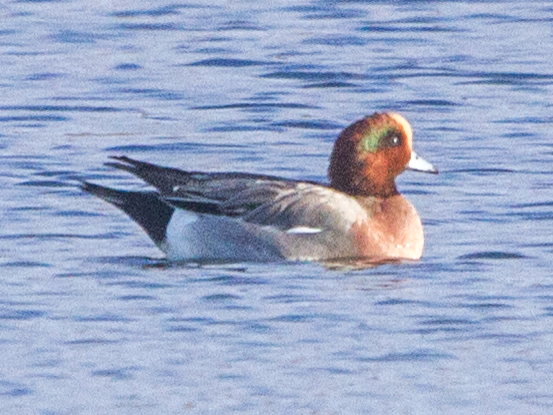
Eurasian Wigeon, Bintry Mill (Norfolk, UK), 15th December 2021
.JPG)
.JPG)
.JPG)
Eurasian Wigeon, Tottenhill gravel pits (Norfolk, UK), 11th December 2004
.JPG)
.JPG)
Eurasian Wigeon, Swanton Morley fishing lakes (Norfolk, UK), 6th February 2010
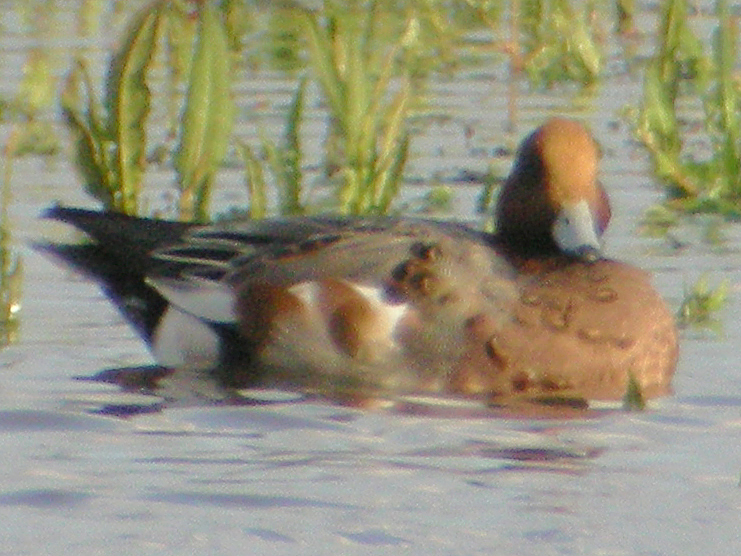
Eurasian Wigeon, Titchwell (Norfolk, UK), 23rd October 2009
.JPG)
Eurasian Wigeon, Lochmaben (Dumfries & Galloway, UK), 29th December 2003
.JPG)
.JPG)
Eurasian Wigeon, Burnham Overy (Norfolk, UK), 31st January 2009
.JPG)
.JPG)
Eurasian Wigeon, Cley (Norfolk, UK), 7th November 2003
.JPG)
.JPG)
.JPG)
.JPG)
Eurasian Wigeon, Holkham (Norfolk, UK), 19th March 2004
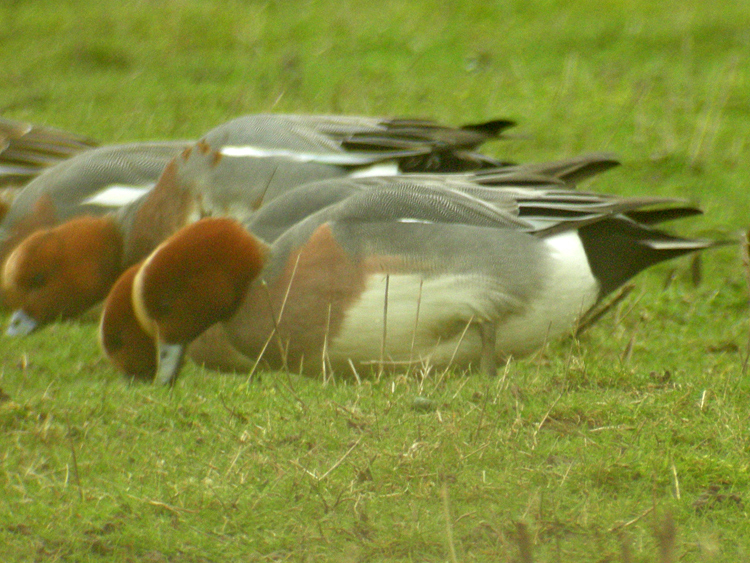
Eurasian Wigeon, Holkham, 2nd March 2011
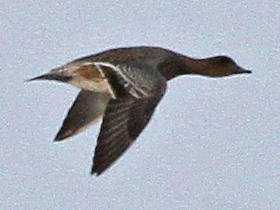
Eurasian Wigeon, Brancaster Staithe (Norfolk, UK), 1st December 2010
.JPG)
.JPG)
Eurasian Wigeon, Salthouse (Norfolk, UK), 16th February 2008
.JPG)
.JPG)
Eurasian Wigeon, Brancaster Staithe (Norfolk, UK), 6th November 2007
 (2).JPG)
Eurasian Wigeon, Burnham Overy (Norfolk, UK), 19th December 2015
 (1).jpg)
 (2).jpg)
 (3).jpg)
Eurasian Wigeon (with Mallards), North Elmham Cathedral Meadows (Norfolk, UK), 23rd October 2020
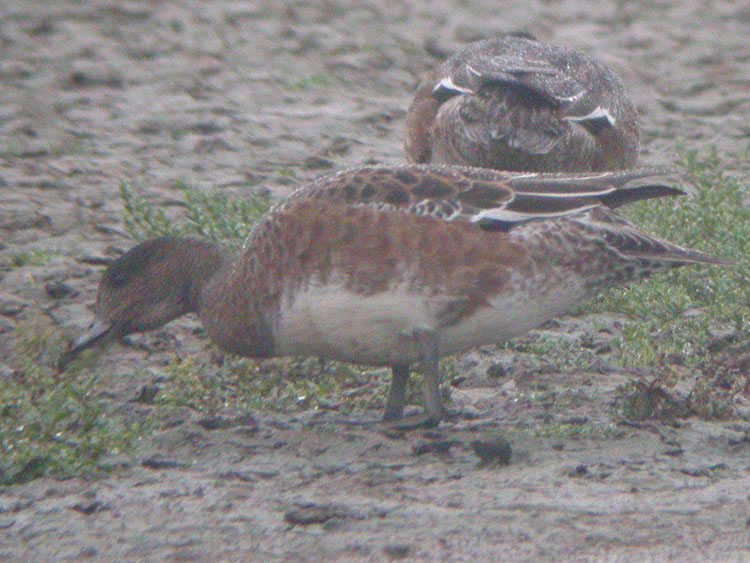
Eurasian Wigeon, Cley (Norfolk, UK), 10th September 2005
.JPG)
.JPG)
Eurasian Wigeon, Minsmere (Suffolk, UK), 10th September 2011
.JPG)
.JPG)
Eurasian Wigeon, Swanton Morley fishing lakes (Norfolk, UK), 20th September 2008
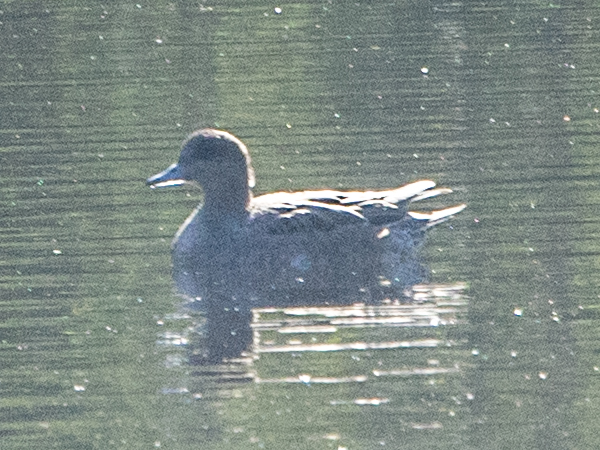
Eurasian Wigeon, Wendling Beck Project (Norfolk, UK), 14th April 2026
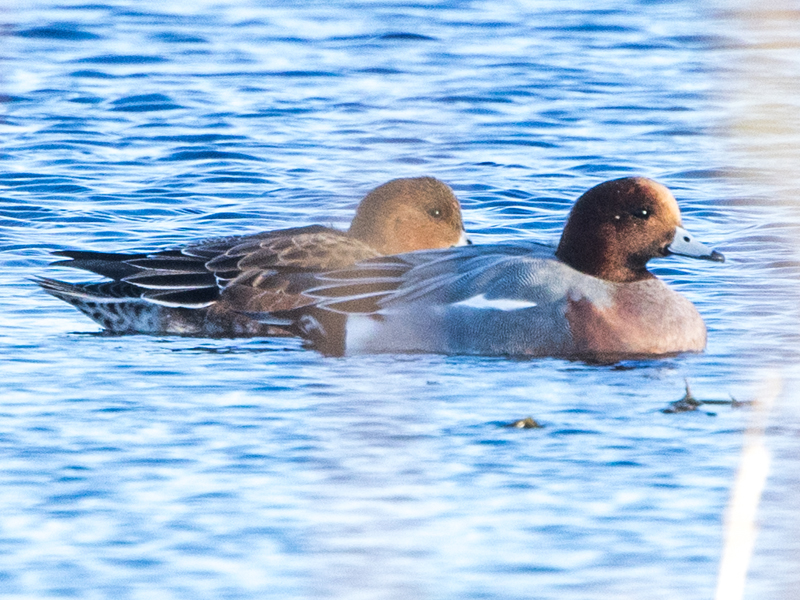
Eurasian Wigeon, Bintry Mill (Norfolk, UK), 8th January 2023
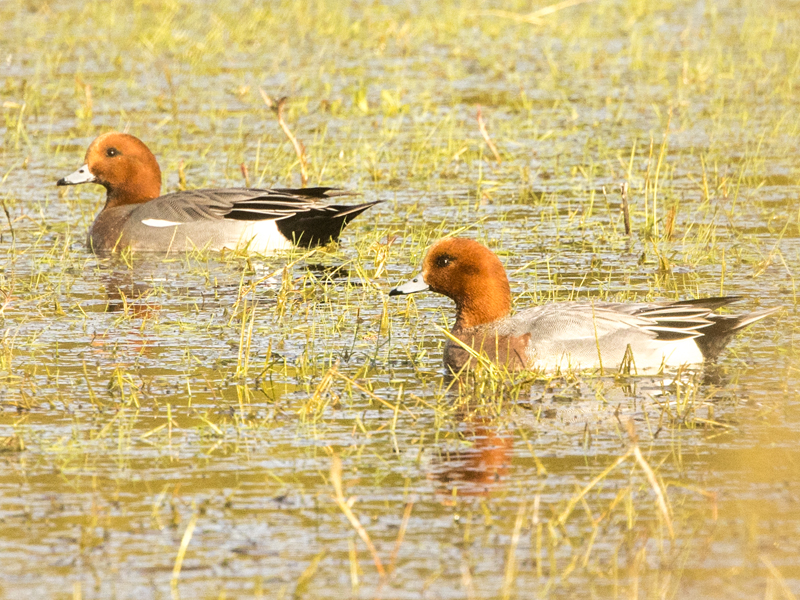
Eurasian Wigeon, Bintry Mill (Norfolk, UK), 6th April 2024
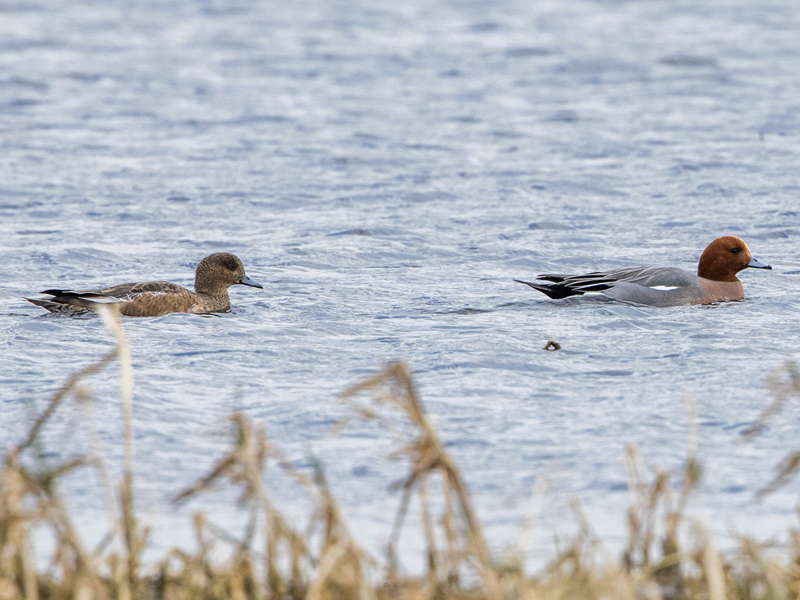
Eurasian Wigeon, Bintry Mill (Norfolk, UK), 13th March 2022
I was quite surprised to see a pair of Wigeon calmly resting still on this small pond early one morning as it was quite late in the season and this pond doesn't normally attract Wigeon even in winter. It was early in the morning, and I was looking into the sun, but although something looked a little bit odd about them, they were clearly Wigeon. They were still present on a subsequent visit, in almost exactly the same spot, but the light was better and one was turned side-on - it now became clear why they didn't look quite right the first time... they were painted decoys! How embarrassing!
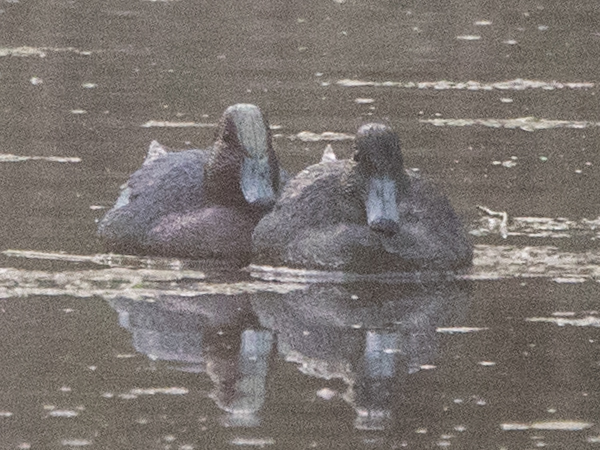
Eurasian Wigeon decoys, mid Norfolk (Norfolk, UK), 20th April 2026
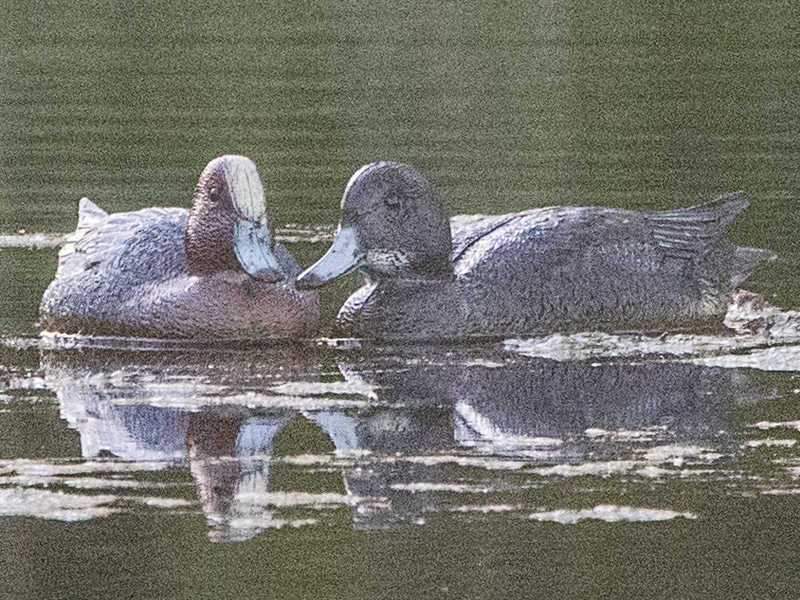
Eurasian Wigeon decoys, mid Norfolk (Norfolk, UK), 10th June 2026